
JSL Agencies
Good Governance and Anti-Corruption Commission: The GGACC consists of five member committee and was established on 26 August 2010 by the Somaliland’s president at the time Ahmed Mohamed Mohamoud by presidential decree, and was approved by the Parliament of Somaliland on 6 November 2012.
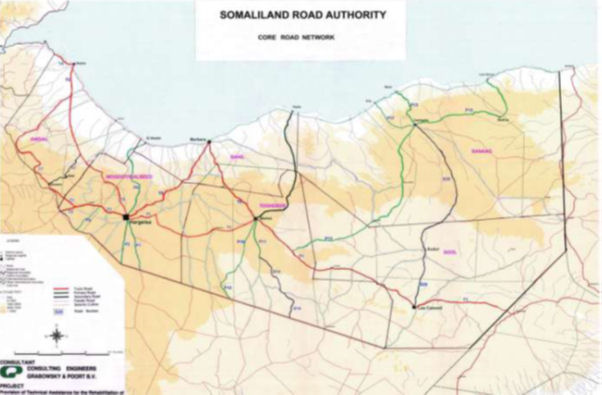
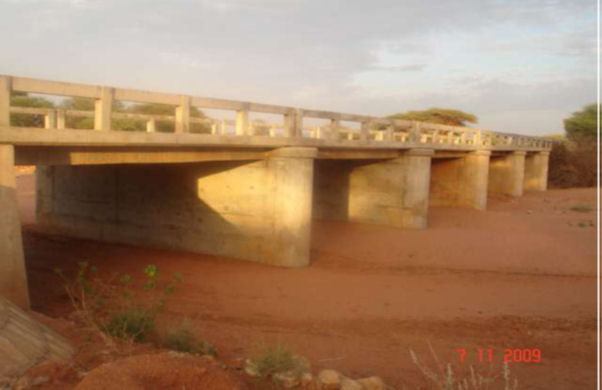
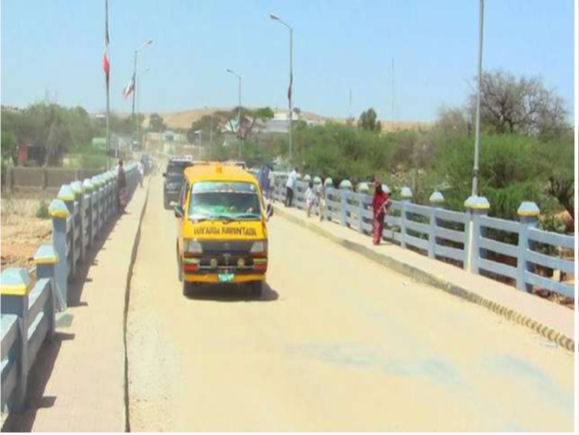
Somaliland Road Network Agency

State Printing Agency: The State Printing Agency (SPA) (Somali: Madbacadda Qaranka) is a Somaliland government agency established in 1997 by President Mohamed Haji Ibrahim Egal, it is responsible for publishing official documents of the various government agencies of Somaliland.

Somaliland Quality Control Commission
The Somaliland Quality Control Commission (SQCC) is a Somaliland government agency, responsible for the standardization, Measurement and conformity assessment services in Somaliland. The head of the commission is the chairman, and is nominated by the President, and then approved by the Parliament

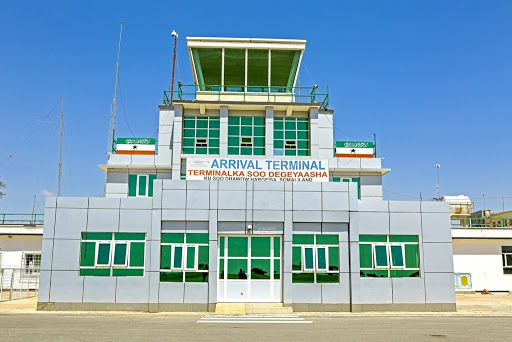
Somaliland Civil Aviation and Airports Authority
Civil Aviation and Airpots Authority of Somaliland (CAAA) (Somali: Hay’adda Duulista iyo Madaarrada) functions as the regulatory body for all aviation related activities in Somaliland.
National Intelligence Agency Somaliland
The National Intelligence Agency of Somaliland (NIA) is Somaliland’s intelligence agency, established in 2012 by President Ahmed Mohamed Mohamoud and approved by the Parliament of Somaliland in 2013
Somaliland electricity sector regulation:
Somaliland is a self-declared independent state with a high level of fragility and a complex political environment. It has been functioning as a sovereign entity independent from Somalia since 1991 within the territorial borders of the former British Somaliland Protectorate.
The cost of electricity in Somaliland, at approximately US$1 per kilowatt, is one of the highest in the world. This is in stark contrast to rates in neighbouring countries such as Ethiopia, which is able to source electricity at approximately US$0.05 cents per kilowatt. High electricity costs in Somaliland hamper development of the manufacturing sector and establishment of enterprises, acting as a constraint on economic growth and development.
One reason for Somaliland’s high electricity costs is the lack of an effective regulatory framework or regulatory body to enable development of the sector, guide private sector operators, provide incentives for investment in the sector and support uptake of renewable energy sources. The result is a highly fragmented and inefficient sector. It is also a risk to the health and safety of consumers and employees with no health and safety standards in operation.
TRANSPORT AND COMMUNICATION
TRANSPORT As well as bus services that operate in Hargeisa, Burao, Gabiley, Berbera and Borama, Somaliland has road transport services between the major towns and neighbouring villages, which are operated by vehicles such as taxis (a slightly more expensive form of transport), four-wheel drives, minibuses and vans. However, despite this, as a foreign traveller, to leave the capital you are required to be accompanied by a government security guard – a British-trained Special Protection Unit (SPU), costing around USD 20 per day – and so a hire car is recommended. It is possible however to get an exemption from this and the paperwork is required as soon as you reach the checkpoints on the edge of the city. As well as this, an official form from the Ministry of Commerce, Industry and Tourism that lists the places you intend to visit is advisable, to reduce the time spent at the checkpoints outside Hargeisa.